Ancient Shipwreck Discovered Off the Greek Coast – 400-Word Description
Ancient Shipwreck Discovered Off the Greek Coast – 400-Word Description
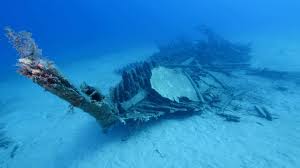
An extraordinary discovery has been made off the coast of Greece: an ancient shipwreck dating back over 2,000 years has been located by a team of marine archaeologists. Found near the island of Kasos in the Aegean Sea, the shipwreck is believed to originate from the Hellenistic period, around the 3rd century BCE. This remarkable find offers a rare glimpse into ancient maritime trade and travel routes, as well as the craftsmanship and cargo of ships that once sailed these waters.
The underwater excavation, conducted in cooperation with the Greek Ministry of Culture and a team of international researchers, revealed a well-preserved wooden hull and a large number of amphorae—ceramic jars used to transport goods such as wine, oil, and grains. Some amphorae bear markings indicating they may have originated from as far away as Syria and Egypt, suggesting that the vessel was involved in long-distance trade across the Mediterranean.
Besides the amphorae, divers also uncovered everyday items like cookware, fishing tools, and bronze coins, all of which provide insight into the daily lives of those on board. The ship itself measured approximately 20 meters long, indicating it was a mid-sized merchant vessel, capable of carrying substantial cargo.
This discovery is especially significant because it expands our understanding of ancient Greek commerce and naval engineering. The location of the wreck supports historical accounts describing Kasos as a maritime hub during antiquity, strategically positioned between Crete and the Greek mainland. It also offers clues about the navigation techniques and shipping lanes used by ancient mariners.
Conservation efforts are already underway to preserve the artifacts recovered from the site. Plans are in place to digitally map the wreck and eventually display key items in Greek maritime museums. This shipwreck joins a growing list of underwater archaeological finds that are rewriting what we know about ancient economies and interactions across regions.
The team behind the discovery stresses the importance of protecting such sites from looting and unauthorized dives, which continue to threaten underwater cultural heritage. They hope that with proper research and preservation, this shipwreck will not only deepen academic understanding but also inspire public interest in the rich history lying beneath the sea.
This find reaffirms that the Mediterranean still holds many secrets, waiting patiently to resurface and tell their stories to the modern world.