Archaeologists Unearth 3,000-Year-Old Egyptian Tomb – 300-Word Description
Archaeologists Unearth 3,000-Year-Old Egyptian Tomb – 300-Word Description
A team of Egyptian and international archaeologists has made a remarkable discovery near Luxor: a 3,000-year-old tomb dating back to Egypt’s New Kingdom period. The tomb, believed to belong to a high-ranking official or noble from the 18th Dynasty, offers a rare and well-preserved glimpse into ancient Egyptian burial practices and society.
Located in the Dra' Abu el-Naga necropolis on the west bank of the Nile, the tomb features intricate wall paintings, detailed carvings, and hieroglyphic inscriptions that remain vivid despite their age. These decorations depict religious rituals, daily life scenes, and offerings to the gods, providing insight into both the spiritual beliefs and personal status of the individual buried there.
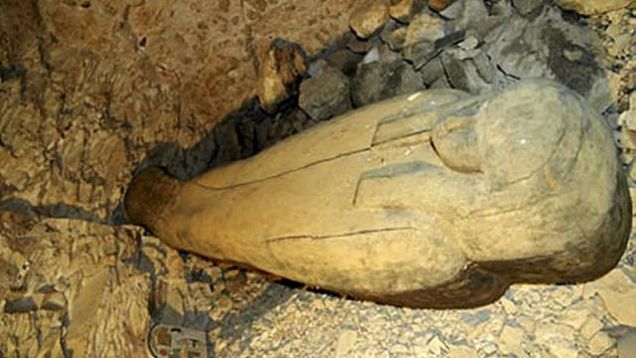
Among the most significant finds are a collection of funerary artifacts, including painted wooden coffins, ushabti figurines (servants for the afterlife), pottery, and tools believed to be symbolic of the deceased’s profession or responsibilities in life. Some inscriptions suggest the tomb's owner may have served under Pharaoh Amenhotep III, one of Egypt’s most powerful rulers, which adds historical importance to the discovery.
The tomb’s layout includes a central burial chamber, antechambers, and a small shrine—all indicative of the elaborate planning typical of elite New Kingdom burials. Despite some damage from looters in ancient times, much of the tomb remains intact, allowing researchers to conduct careful documentation and conservation work.
This discovery sheds light on the wealth, craftsmanship, and complex funerary traditions of ancient Egypt during a period of great political and cultural development. Egyptian officials have hailed the find as another step in restoring global interest in Egypt’s heritage, with plans to eventually make the site accessible to visitors. The tomb continues to reveal secrets of a civilization that still captivates the world.